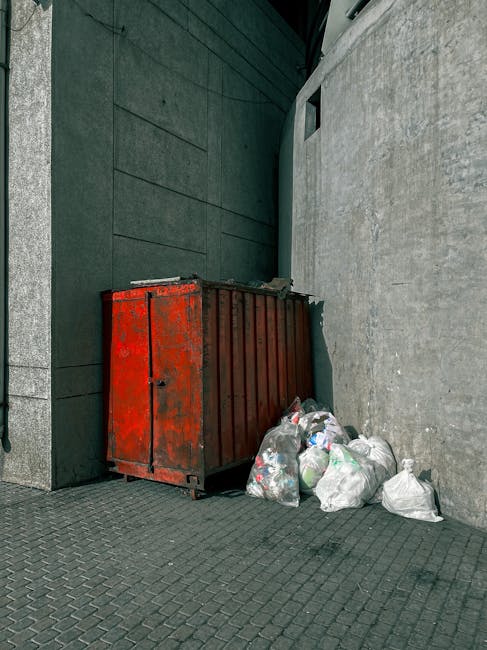
Wandsworth Council rubbish rules for Balham properties
If you live in Balham, rubbish disposal can feel surprisingly fiddly. One week it is a broken chair, the next it is a pile of packaging, a garden cut-back, or a flat clearance after a tenancy change. And if you get the timing, sorting, or presentation wrong, the whole thing becomes a nuisance fast. This guide explains the practical side of Wandsworth Council rubbish rules for Balham properties in plain English, so you know what can go out, how it should be prepared, and when a more specialist waste service makes life easier.
Balham properties bring their own quirks: terraced houses with tight front steps, mansion blocks with shared bins, basement flats with limited storage, and busy roads where a badly placed sack can become everybody's problem. Let's make it simpler. You will get the essentials, common mistakes, a checklist, and sensible next steps for homes, flats, landlords, and small businesses.
Table of Contents
- Why Wandsworth Council rubbish rules for Balham properties matters
- How Wandsworth Council rubbish rules for Balham properties works
- Key benefits and practical advantages
- Who this is for and when it makes sense
- Step-by-step guidance
- Expert tips for better results
- Common mistakes to avoid
- Tools, resources and recommendations
- Law, compliance, standards, or best practice
- Options, methods, or comparison table
- Case study or real-world example
- Practical checklist
- Conclusion
- Frequently asked questions
Why Wandsworth Council rubbish rules for Balham properties matters
Waste rules are not just about tidiness. They affect kerb appeal, pest control, fire safety, neighbour relations, and whether your bins are actually collected. In a place like Balham, where many properties sit close together and bin storage is often shared, one household's loose waste can become everyone's headache by the end of the day.
There is also a legal and financial side. Put the wrong waste out, place it at the wrong time, or use the wrong container and you may face a refused collection, a complaint from neighbours, or in some cases enforcement action. Nobody wants that. It is far easier to sort the basics first than to deal with a messy doorstep later on.
For landlords, managing agents, and flat owners, the stakes are even higher. A missed collection or an overloaded bin store can lead to blocked access, odour, and the sort of awkward email thread that everyone wishes had never started. Truth be told, rubbish rules sound dull until they are ignored.
How Wandsworth Council rubbish rules for Balham properties works
At a practical level, the system usually revolves around separating waste, using the correct containers, and putting the right items out on the correct collection day. That is the simple version. The real-world version depends on the type of property you live in and the waste you are trying to dispose of.
Most Balham homes will deal with a mix of household rubbish, recycling, food waste, and occasional bulky items. Flats often rely on communal bin stores, shared presentation points, or building-specific arrangements. Houses may have more flexibility, but they still need to follow local collection guidance and avoid spilling waste onto the pavement. If you live in a basement flat or a converted property, access can be a bit of a dance, especially on a rainy evening with bags in both hands.
For larger clearances, such as post-renovation waste, loft clear-outs, old furniture, or garden waste after a proper weekend trim, standard bins usually are not enough. That is where a planned removal service becomes useful. Services like waste removal or a more specific option such as furniture disposal can help keep things compliant and off the pavement.
One important practical point: councils typically expect waste to be contained neatly. Loose sacks, overfilled containers, and broken cardboard left open to the weather are all classic ways to invite problems. The bin lorry may still pass by, but your waste may not be taken.
Key benefits and practical advantages
Following the rubbish rules properly is not just about avoiding trouble. There are some very real day-to-day benefits.
- Cleaner shared spaces: In flats and conversions, tidy waste handling keeps entranceways and bin stores usable.
- Fewer pests: Food residue, unbagged waste, and overflow bins are exactly what attract pests. A small lapse becomes a smell, then a problem.
- Better neighbour relations: Nobody likes being the person whose bin bags block the pathway on collection night.
- Less risk of missed collections: Right waste, right container, right day. It sounds basic, because it is.
- Safer handling: Heavy bags, sharp objects, and broken furniture are easier to manage when you sort them properly.
- More efficient clear-outs: A planned approach saves time when you are preparing for a move, refurbishment, or tenancy turnaround.
There is also a hidden benefit: once you get into the habit, rubbish management becomes almost boring. And honestly, that is the goal. Boring waste routines are good waste routines.
Who this is for and when it makes sense
This guide is relevant to a wide range of Balham residents and property owners. You may not need every detail, but a lot of people need at least some of it.
- Homeowners: If you have a driveway, front garden, side return, or limited bin storage, the rules affect how you present waste for collection.
- Flat owners and tenants: Shared bin spaces, tight stairwells, and building rules often matter as much as council guidance.
- Landlords and letting agents: End-of-tenancy waste, abandoned items, and changeover days can get messy quickly.
- Small businesses: Offices, salons, and local workspaces may need a more reliable routine than a standard domestic bin setup can offer. In that case, business waste removal may be the practical route.
- People doing a clear-out: Loft, garage, garden, house, and flat clearances all create waste that needs proper handling.
It also makes sense if you are in the middle of a life admin week. Moving house. Renewing a tenancy. Clearing after a bereavement. Replacing old furniture. Those are the moments when rubbish rules suddenly matter a lot more than they did last Tuesday.
Step-by-step guidance
If you want to stay on the right side of local rubbish rules, a simple method works best. No drama. Just a clear process.
- Identify the waste type. Start by separating household rubbish, recycling, food waste, garden cuttings, bulky items, and construction debris. Mixed waste causes the most headaches.
- Check the bin or collection method. Shared bin stores, wheelie bins, sacks, or special collections all have different expectations. Do not assume one arrangement fits every property.
- Prepare items properly. Break down cardboard, bag loose rubbish, and keep sharp or broken objects safely wrapped. If you are moving heavy furniture, consider a dedicated furniture clearance service rather than trying to squeeze it into standard waste.
- Put waste out at the right time. Timing matters. Too early creates clutter; too late risks a missed collection.
- Keep walkways clear. This is especially important in Balham's narrower residential streets and shared entrances. A bag that blocks a doorway can become a safety issue very quickly.
- Escalate bulky or unusual waste. If it will not fit in the normal routine, use a suitable clearance route. For larger domestic jobs, home clearance, house clearance, or flat clearance may be the least stressful option.
A small but useful habit: keep a "pending waste" corner inside the property. Even a cardboard box in the hallway can prevent last-minute piles by the front door. Sounds simple. It works.
Expert tips for better results
After plenty of clear-outs, a few habits consistently make waste handling easier and safer.
- Do not let bulky items sit too long. One old armchair can quietly become four items: the chair, the broken leg, the plastic wrapping, and the panic when it will not fit anywhere.
- Sort before you carry. Separate materials at the source. It is much easier than standing in the hallway making piles while the kettle whistles and the door keeps getting in the way.
- Use the right disposal route for the material. Garden clippings, builders' rubble, office equipment, and furniture are not the same thing. They should not be treated the same way either.
- Think about access. In Balham, access can be the difference between a quick collection and an awkward two-hour lift job.
- Plan for wet weather. Cardboard gets soggy, bags split more easily, and stairwells get slippery. A small delay for a dry sack is often worth it.
- Use a clearance service for awkward loads. For example, a loft full of mixed items is usually better handled with a service such as loft clearance than by trying to piece it out over several weeks.
One more thing. Keep an eye on overfilled bins in shared spaces. If the lid will not close, you are not really finished. That is usually where the trouble starts.
Common mistakes to avoid
Most rubbish problems are not dramatic. They are small mistakes repeated at the wrong time. Here are the ones that come up most often.
- Leaving waste on the pavement too early. It looks untidy and can draw complaints, especially in busier residential streets.
- Mixing recyclable and non-recyclable waste. This can lead to contamination and missed collections.
- Ignoring bulky waste rules. Sofas, mattresses, wardrobes, and broken appliances usually need a different approach.
- Using the wrong bin store. In flats, residents sometimes place waste in the nearest container rather than the correct one. That causes confusion fast.
- Overstuffing bags or containers. If the bag tears on the step, you have created more work for yourself and someone else.
- Forgetting about hazardous items. Paint, chemicals, batteries, and some electricals should never be treated like general rubbish.
There is a very ordinary kind of regret that follows a split black sack at 7.30 in the morning. Best avoided.
Tools, resources and recommendations
You do not need fancy tools to manage waste properly, but a few simple items make a difference.
- Heavy-duty sacks: Better for mixed household waste that is genuinely allowed for regular collection.
- Sturdy boxes: Useful for cardboard, books, soft plastics, and lighter mixed items.
- Protective gloves: Handy for lofts, garages, and garden waste, especially where dust or sharp edges are involved.
- Labels or tape: Good for sorting items by category before a clearance.
- A simple staging area: Keep waste together in one place so you can see what needs council collection and what needs a separate removal.
If the job is bigger than your bins, it is often worth comparing a few routes. For instance, garden cuttings may suit a garden clearance, while broken garage contents may be better handled through garage clearance. For office relocations or fit-outs, office clearance can keep the process efficient and tidy.
For general reassurance on how items are managed, recycling and sustainability is a useful place to understand the broader approach to sorting and responsible disposal. If you are comparing providers, pricing and quotes can help you weigh convenience against cost without guesswork.
Law, compliance, standards, or best practice
Waste disposal in the UK is not just a household habit; it sits within wider environmental and public health expectations. The exact local collection rules can vary, so the safest approach is to follow the current guidance that applies to your property type and to use reputable disposal methods for anything outside normal domestic rubbish.
There are a few good-practice principles that are worth treating as non-negotiable:
- Do not place waste where it blocks public access. That includes pavements, shared entrances, and fire escapes.
- Separate special waste from general rubbish. Electrical items, rubble, paint, and sharp materials need more care.
- Use a traceable, responsible disposal route. This matters particularly for landlords, businesses, and anyone clearing out large volumes.
- Keep shared spaces clean. Bin stores, access paths, and communal hallways should not be left in a poor condition after a clearance.
If you are commissioning a clearance service, the company's safety, insurance, and operating standards also matter. It is sensible to review pages like insurance and safety, health and safety policy, and terms and conditions before booking, especially for larger or more complex removals.
That may sound a bit formal for rubbish, but honestly, it saves hassle later. A proper process is worth more than a rushed one.
Options, methods, or comparison table
Different waste situations call for different approaches. Here is a straightforward comparison to help you decide.
| Option | Best for | Strengths | Limitations |
|---|---|---|---|
| Normal council collection | Routine household rubbish and recycling | Simple, familiar, usually the lowest-effort option | Not suitable for bulky loads or special items |
| DIY trips to a disposal point | Small amounts of sorted waste when you have time and transport | Flexible and direct | Time-consuming, awkward for heavy or messy loads |
| Specialist household clearance | Large clear-outs, lofts, garages, moves, probate-type clearances | Fast, tidy, and better for mixed loads | Costs more than standard collection, but usually saves effort |
| Trade or builders waste removal | Refurbishments, rip-outs, renovation debris | Better suited to awkward or heavy construction waste | Must be matched to the right material type |
For renovation waste, a builders waste clearance option is usually more appropriate than trying to fold everything into domestic bins. It is one of those cases where choosing the right method first saves a lot of back-and-forth later.
Case study or real-world example
Picture a typical Balham flat: two bedrooms, one narrow staircase, a shared bin area, and a couple of bulky items left over after a tenancy change. There is a dismantled wardrobe, three bags of mixed clutter, some cardboard, and a broken coffee table that looked manageable until it met the stairwell. Of course it did.
The first instinct is often to leave things by the door and sort it later. But that usually means the hallway starts filling up, the bin store gets crowded, and the job expands. Instead, a better approach is to sort the waste in the flat, separate cardboard and general rubbish, identify anything too large for normal collection, and book a proper clearance for the bulky items. The resident keeps the hallway clear, neighbours are not inconvenienced, and the building stays orderly.
In that sort of situation, the practical difference between standard disposal and a dedicated removal service is huge. It is not just about getting rid of items. It is about making sure the property looks presentable, the route stays clear, and nobody has to carry a wardrobe down the stairs twice because the first plan fell apart halfway through.
That, in a nutshell, is why the rubbish rules matter. Not because paperwork is exciting, but because real homes are busy places.
Practical checklist
Use this quick checklist before putting out waste or booking a clearance.
- Have I separated general rubbish, recycling, food waste, and bulky items?
- Am I using the correct bin, sack, or collection route for my property type?
- Will any item need special handling because it is heavy, sharp, damp, or awkward?
- Is the waste stored neatly and safely before collection?
- Have I kept access routes, stairwells, and pavements clear?
- Do I need a specialist service for furniture, loft contents, garden cuttings, or building debris?
- Have I checked whether the item could be reused, recycled, or needs a more specific disposal route?
- Am I confident the waste will be collected without causing a nuisance to neighbours?
If you can tick most of those off, you are probably in good shape.
Get a free quote today and see how much you can save.
Conclusion
Wandsworth Council rubbish rules for Balham properties are easiest to follow when you keep things simple: sort waste properly, use the right containers, avoid blocking access, and choose specialist removal when the job is bigger than the bins. That approach works for houses, flats, landlords, and businesses alike. It keeps the street tidier, reduces stress, and avoids those small messy problems that tend to snowball if ignored.
If you are dealing with a routine collection, stay organised. If you are facing bulky waste, a clearance after a move, or a job that just does not fit the normal system, use the proper route. It is calmer, safer, and often quicker than trying to improvise. And let's face it, life in Balham is busy enough already.
For a little extra reassurance about the business side of any booking, you can also review about us and contact us when you are ready to take the next step.
Do the small things well, and the rest gets easier. That usually holds true with rubbish too.
Frequently Asked Questions
What are the main Wandsworth Council rubbish rules for Balham properties?
The main idea is to separate waste properly, use the correct bins or collection route, and present rubbish neatly at the right time. The exact setup can vary between houses, flats, and shared properties, so it is worth checking how your building operates rather than assuming a one-size-fits-all rule.
Can I leave rubbish beside a full bin if it will not fit inside?
Usually, that is not the best idea. Overflow waste can create mess, attract pests, and lead to collection problems or complaints. If you regularly have more than your bins can hold, a planned removal or additional clearance option is usually better.
What should I do with bulky items like wardrobes or sofas?
Bulky items normally need a separate disposal route. Depending on the item and the volume, that might mean a bulky waste collection or a dedicated furniture removal service. Trying to force them into normal domestic waste tends to go badly, and a wardrobe in a stairwell is nobody's friend.
Are flats in Balham treated differently from houses?
Often, yes. Flats may have communal bin stores, shared rules from the freeholder or managing agent, and tighter access arrangements. The practical expectations can be different from a house with private bins or front-garden storage.
Can I put garden waste in my regular rubbish bin?
Sometimes small amounts may be accepted in general waste, but garden waste is often better handled separately. If you have cuttings, branches, or soil in larger volumes, a garden-specific clearance is usually more sensible.
What happens if I put waste out too early?
Putting waste out too early can clutter the street, create access issues, and invite complaints. In shared or tightly packed areas, it may also get moved, damaged, or blown about. Timing matters more than people expect.
Do businesses in Balham follow the same rubbish rules as homes?
Not always. Commercial waste often needs a different arrangement, especially for offices, shops, or service businesses that generate more waste or different types of waste. A business waste solution is usually the better fit.
How do I know if waste is recyclable or not?
It depends on the material and local collection rules. Clean cardboard, some plastics, paper, and certain food waste streams are usually treated differently from general rubbish. If items are mixed, dirty, or contaminated, they may no longer be recyclable in the normal sense.
Is it worth booking a clearance service instead of doing it myself?
For small, simple loads, DIY can make sense. But if you are dealing with bulky furniture, loft contents, mixed rubbish, or a time-sensitive move, a clearance service can save a great deal of effort and avoid mistakes. Convenience counts, especially when you are already juggling keys, boxes, and a phone that will not stop buzzing.
What should I look for in a waste removal provider?
Look for clear pricing, sensible communication, and proper standards around safety, insurance, and disposal. It is also worth checking terms, recycling practices, and whether they are suited to the kind of waste you need removed. A provider that fits the job is better than one that merely sounds cheap.
Can I arrange removal for a whole property clear-out in Balham?
Yes. For larger jobs, options such as house clearance, flat clearance, loft clearance, garage clearance, or home clearance can be far more efficient than trying to handle everything through normal household waste. That is especially helpful during moves, refurbishments, or estate clearances.
What if I am not sure which service I need?
If the waste is mixed or the property is awkward to access, start with the broadest relevant option and narrow it down from there. Sometimes the simplest answer is the best one. And if you are still unsure, it is better to ask before the bags start piling up in the hallway.