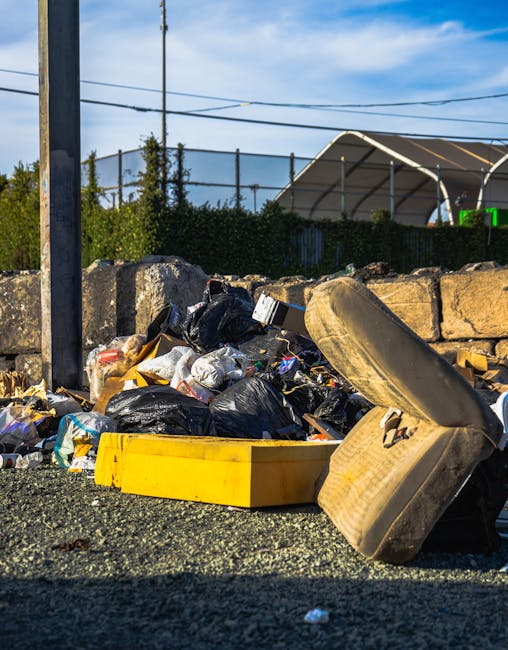
SW12 cheap rubbish removal services rates explained
If you are trying to get rid of waste in SW12 without spending more than you need to, you are probably asking the same practical question everyone asks first: what should rubbish removal actually cost? The honest answer is that SW12 cheap rubbish removal services rates explained is less about a single fixed price and more about understanding how load size, labour, access, waste type, and disposal fees all shape the final bill. Get that right, and you can compare quotes properly instead of guessing.
This guide breaks the numbers down in plain English. You will see what affects the rate, how providers usually quote, where hidden extras creep in, and how to keep things affordable without cutting corners. Let's face it, nobody enjoys paying for junk to disappear. But when a clear price saves you a Saturday of sweating over bags and broken furniture, it can feel worth every penny.
For readers who want to compare service standards as well as price, it can also help to understand the company behind the quote. A useful starting point is the site's about us page, along with its pricing and quotes information and recycling and sustainability approach.
Table of Contents
- Why SW12 cheap rubbish removal services rates explained Matters
- How SW12 cheap rubbish removal services rates explained Works
- Key Benefits and Practical Advantages
- Who This Is For and When It Makes Sense
- Step-by-Step Guidance
- Expert Tips for Better Results
- Common Mistakes to Avoid
- Tools, Resources and Recommendations
- Law, Compliance, Standards, or Best Practice
- Options, Methods, or Comparison Table
- Case Study or Real-World Example
- Practical Checklist
- Conclusion
- Frequently Asked Questions
Why SW12 cheap rubbish removal services rates explained Matters
Price matters because waste removal can look simple from the outside and still turn expensive fast. A quote that sounds cheap may only cover the collection vehicle and a basic load allowance, while the real cost appears when the team arrives and discovers extra bags, awkward access, heavy materials, or mixed waste that takes longer to sort. Understanding the rate structure helps you spot good value, not just a low headline number.
In SW12, where properties range from compact flats to larger family homes and busy commercial spaces, the difference between a fair quote and an inflated one can come down to a few practical details. Is the waste outside already? Is it a first-floor flat with no lift? Are you clearing furniture, garden waste, or building rubble? Those details all matter. A lot.
There is also a trust angle. If a provider is transparent about pricing, explains what is included, and gives you a sensible range rather than a vague promise, that usually says something positive about how they run the job. For a deeper look at what reputable waste services should cover, the company's waste removal service overview is useful context, and its insurance and safety information helps you judge the standard of care behind the price.
Practical takeaway: cheap is only truly cheap if the quote is clear, the collection is legal, and you are not paying for surprise add-ons later.
How SW12 cheap rubbish removal services rates explained Works
Most rubbish removal rates are built from a few moving parts. The provider estimates how much waste you have, how difficult it will be to collect, and what it will cost to transport, sort, and dispose of it responsibly. In many cases, the vehicle size and volume of rubbish are the main pricing factors, with labour and disposal fees added in depending on the job.
Here is the basic logic in simple terms:
- Volume: more rubbish means more space in the truck and usually a higher rate.
- Weight: heavy waste, such as soil, rubble, or broken tiles, can cost more because it is harder to handle and dispose of.
- Type of waste: mixed household junk is usually easier to process than specialist waste, which may need separate handling.
- Access: narrow hallways, stairs, parking issues, and long carries add labour time.
- Sorting time: if items need separating before loading, that can affect the quote.
Some companies charge by load fraction, some by estimated weight, and some by time on site. None of those approaches is automatically wrong. What matters is whether the quote is explained clearly enough that you know what you are buying. If a provider offers a site visit or a photo-based estimate, that often helps reduce guesswork.
For example, a small garden clear-out with a few bags, some prunings, and one old bench may be quick and straightforward. A flat clearance with wardrobes, a mattress, boxed clutter, and a heavy sofa is a different animal entirely. Same postcode, very different rate.
If you are comparing services across the wider home and property clear-out space, pages like flat clearance, house clearance, and furniture disposal can help you match the right service to the right job.
Key Benefits and Practical Advantages
There is a reason many people prefer a rubbish removal service to doing it themselves. The value is not just in the lifting. It is in the time saved, the reduced stress, and the fact that someone else handles the tricky bits, like loading, transport, and disposal. If you have ever stood in a hallway at 8:15 on a damp London morning wondering how three broken wardrobes became your problem, you will understand the appeal.
Here are the main advantages of choosing a good-value rubbish removal service in SW12:
- Faster clearance: what might take you all day can sometimes be completed in a short visit.
- Less manual effort: no hiring a van, no multiple trips, no heavy lifting on your own.
- Better organisation: a professional team can sort items more efficiently.
- Cleaner finish: once the rubbish is gone, the space feels ready to use again.
- More predictable budgeting: once you understand the rate model, you can plan more accurately.
There is also a practical sustainability benefit when waste is handled properly. Not everything needs to go straight to disposal. Items can often be separated for recycling, and suitable materials should be routed accordingly. That is one reason to check a provider's sustainability commitments rather than assuming every cheap quote is the same. If environmental handling matters to you, recycling and sustainability details are worth reviewing before you book.
Cheap does not have to mean careless. The best low-cost services find the middle ground: efficient, tidy, and straightforward. That is the sweet spot, really.
Who This Is For and When It Makes Sense
This kind of service suits a wide range of people. Some need a one-off clearance after a home tidy-up. Others need regular support for commercial waste. And some just want a quick, no-drama way to deal with a pile that has been staring at them for months.
It usually makes sense if you are:
- clearing out a flat, house, loft, garage, or home office
- getting rid of old furniture before new items arrive
- tidying after building or decorating work
- removing garden waste after a seasonal clean-up
- needing a business waste solution for a small premises
- sorting inherited belongings or end-of-tenancy clutter
For larger or more specific jobs, matching the service to the waste type matters. A mixed builder's waste load is not the same as a few broken chairs, and an office clearance is not quite the same as a domestic clear-out. If you need specialist help, those differences affect both pricing and handling. Relevant service pages such as builders waste clearance, office clearance, and garden clearance can be useful reference points.
Truth be told, a lot of people only need rubbish removal once or twice a year. That is fine. You do not need to become an expert. You just need to know enough to spot a fair quote and avoid paying for fluff.
Step-by-Step Guidance
If you want to compare SW12 rates sensibly, use a simple process. It takes a few minutes and can save you a surprising amount of money.
- List what needs removing. Write down items, bag counts, and any bulky pieces. Be honest here; undercounting is the fastest way to get a revised quote.
- Separate the waste by type. Keep furniture, green waste, rubble, and general junk distinct if possible. Mixed loads can cost more to handle.
- Check access. Note stairs, parking restrictions, basement access, or long carrying distances. These details affect labour time.
- Ask how the rate is calculated. Is it volume-based, weight-based, or a fixed load price? Ask what is included.
- Confirm what happens on arrival. Some jobs are priced from photos, others are adjusted after a short inspection. That is normal, but it should be explained upfront.
- Compare like with like. A cheap quote that excludes disposal, labour, or congestion-related effort may not be cheaper in the end.
- Book the right service. If it is a clearance rather than a simple collection, use a clearance service that fits the job size and property type.
A small real-world example helps here. Imagine a landlord clearing a compact SW12 flat after tenants move out. One provider quotes low, but only for collected bags left outside. Another quotes slightly higher, includes internal carrying, and handles a mattress, mixed bags, and an old chest of drawers. The second quote may be better value, even if it is not the cheapest line on the page. That is the sort of comparison that actually matters.
Expert Tips for Better Results
There are a few small habits that consistently help people get better prices and smoother service. None of them are complicated, which is probably why they work.
- Take clear photos in daylight. A bright, wide-angle photo beats a dark hallway snap every time. You want the estimator to see the pile clearly.
- Include measurements for bulky items. Large wardrobes, American-style fridge units, or oversized desks can change the loading plan.
- Be upfront about access. If there is no lift or parking is awkward, say so early. It avoids last-minute price changes.
- Ask whether labour is included. Some quotes assume items are already outside. Others cover full removal from inside the property.
- Schedule when access is easiest. A quiet street or an off-peak slot can make a surprisingly big difference to the day's flow.
If you are clearing a property with mixed contents, it can also help to check related services such as home clearance, garage clearance, or loft clearance. Matching the job to the service avoids paying for a heavy-duty solution when you only need a lighter collection.
Another tip: do not be shy about asking what happens to reusable or recyclable items. A responsible company should be able to explain its approach in plain terms. Not a sales script. Just a clear answer.
Common Mistakes to Avoid
People usually do not overspend because they are careless. They overspend because they are busy. That is a difference worth acknowledging. Still, a few common mistakes show up again and again.
- Choosing the lowest headline price only. A bargain quote can become expensive if it excludes labour, heavier waste, or access issues.
- Guessing the volume. If you underestimate the load, the provider may need to revise the cost on the day.
- Mixing everything together. A cleaner, better-sorted load is often easier and cheaper to process.
- Forgetting bulky item details. Mattresses, sofas, and dismantled furniture take up more room than people expect.
- Ignoring the company's standards. Pricing is only part of the picture. Safety, recycling, and communication matter too.
One slightly annoying but very common issue: people call a service "cheap" when what they really mean is "underquoted." Those are not the same thing. An underquoted job tends to turn up with a revised bill and a mildly awkward conversation at the kerb. Nobody wants that. Nobody.
Tools, Resources and Recommendations
You do not need special equipment to prepare for rubbish removal, but a few basic tools can make the process easier and may even reduce the time on site.
- Strong refuse sacks or rubble bags: useful for smaller loose waste and easier handling.
- Labels or marker tape: helpful if you are sorting items into keep, donate, recycle, and remove piles.
- Measuring tape: useful for confirming the size of bulky furniture or awkward items.
- Phone camera: simple, but still one of the best quoting tools you have.
- Access notes: a quick written note about parking, stairs, or entry codes saves confusion later.
On the provider side, it is sensible to review the information that explains how the business works. The company's pricing and quotes page can help set expectations, while the payment and security information is worth checking if you want to understand how transactions are handled. If you want to know more about the team itself, the about us page is a straightforward place to start.
Useful recommendation in plain English: get your pictures, measure anything bulky, and ask one direct question about what is included. That alone filters out a lot of confusion.
Law, Compliance, Standards, or Best Practice
Rubbish removal is not just a price conversation. It also involves safe handling, responsible disposal, and basic legal compliance. In the UK, waste should be handled by appropriate carriers and processed in line with the relevant duty of care expectations. You do not need to memorise the rules, but you should expect any legitimate operator to follow them.
From a customer's point of view, the main best-practice checks are simple:
- Ask whether the waste will be disposed of responsibly.
- Confirm that the team is insured and works safely.
- Make sure the quote is clear about what is and is not included.
- Be cautious if a provider seems unusually vague about disposal.
This matters because the cheapest option is not always the safest or most reliable. If waste ends up being handled badly, the knock-on problems can be messy, expensive, and frankly avoidable. A good service should make compliance feel boring in the best possible way: handled, tidy, done.
For readers who want to understand how a company frames its responsibilities, the pages on health and safety policy, insurance and safety, and complaints procedure are all useful markers of how seriously standards are treated.
Options, Methods, or Comparison Table
Different jobs suit different approaches. If you are deciding between a quick collection, a full clearance, or a more specialised service, this comparison should help.
| Option | Best for | Typical pricing logic | What to watch for |
|---|---|---|---|
| Small rubbish collection | A few bags, light clutter, or one-off items | Often based on volume and loading time | Check whether labour and disposal are included |
| Furniture clearance | Sofas, tables, wardrobes, mattresses | Usually priced by item size and access | Bulky items can raise the cost quickly |
| House or home clearance | Larger domestic clear-outs | Often based on load size plus labour | Sorting and access can change the final price |
| Garden clearance | Green waste, branches, soil, garden debris | Volume and weight matter a lot | Heavy or wet waste may cost more |
| Builders waste clearance | Rubble, timber, plasterboard, renovation debris | Often affected by weight and material type | Mixed building waste can be more complex |
If you are still weighing up options, a good rule of thumb is to choose the service that matches the waste, not the one that just looks cheapest at first glance. A garden pile and a renovation skip's worth of rubble are not cousins. They behave very differently on the day.
Case Study or Real-World Example
Here is a realistic example from the kind of job people in SW12 often face. A couple moving out of a first-floor flat needed to clear a broken bed frame, a small sofa, two wardrobes, about ten rubbish bags, and some odds and ends from the kitchen. At first glance it looked like "just a few bits." But once the items were listed properly, the provider could see it was a mixed domestic clearance with stair access and a bulky furniture element.
They sent photos, confirmed the staircase was narrow, and noted that parking was tight for part of the street. The quote reflected the extra labour, but because everything was explained in advance, there were no surprises on arrival. The team loaded the items efficiently, sorted the waste appropriately, and left the space ready for final cleaning. Nothing glamorous. Just a clean, smooth job with no fuss.
The useful lesson? A clear quote is often cheaper in practice than a vague one. You may pay a bit more than the very lowest headline price, but you avoid the classic last-minute squeeze. In real life, that matters.
Practical Checklist
Use this checklist before you request quotes or book a collection. It keeps things tidy and helps you compare on a like-for-like basis.
- List every item or bag that needs removing.
- Separate reusable, recyclable, and general waste where possible.
- Take clear photos in good light.
- Measure bulky furniture and awkward items.
- Note stairs, lift access, parking restrictions, and walking distance.
- Ask whether the quote includes labour, disposal, and loading.
- Confirm how the provider handles recycling and responsible disposal.
- Check insurance and safety information before booking.
- Ask about timing so you know when the team will arrive.
- Keep one clear contact number handy on the day.
If you are organising more than just a single collection, it may be worth browsing related service pages such as furniture clearance and house clearance to see which option aligns best with your job.
Conclusion
SW12 rubbish removal does not need to be complicated. Once you understand how rates are built, it becomes much easier to separate genuine value from a bargain that is only cheap on paper. Focus on volume, access, waste type, and what is actually included in the quote. That is the practical core of it.
If you remember just one thing, make it this: the best service is the one that gives you a clear price, handles the waste responsibly, and saves you time without hidden stress. That combination is rarer than it should be, but it is out there.
Get a free quote today and see how much you can save.
When the clutter is finally gone and the room feels bigger again, even a small clearance can feel like a proper reset. That's the good part, really.
Frequently Asked Questions
What affects SW12 rubbish removal prices the most?
The biggest factors are usually volume, weight, access, and the type of waste. A few bags of light rubbish cost very differently from heavy rubble or bulky furniture, even if both jobs look small at first glance.
Is the cheapest rubbish removal quote always the best value?
Not usually. The lowest quote can miss important extras such as labour, disposal, or awkward access. A slightly higher quote that clearly includes the full job often works out better.
Can I get a cheaper rate if I sort the waste myself?
Often, yes. If you separate items by type and make them easy to access, the job may take less time and be easier to price accurately. That can help keep the rate down.
Do I need to be home when the rubbish is collected?
Sometimes yes, sometimes no. It depends on access arrangements and how the provider works. If the waste is outside and instructions are clear, the job may be possible without you being there.
Why do furniture clearance prices vary so much?
Furniture takes up space, can be heavy, and may need careful carrying through doors or down stairs. A sofa, wardrobe, or mattress can change the quote more than people expect.
How can I avoid hidden charges?
Ask exactly what is included before booking. Confirm labour, disposal, item type, and access details. Clear photos and honest descriptions reduce the risk of surprise extras later.
Is garden waste cheaper to remove than building waste?
Not always. Green waste is often easier than heavy construction debris, but wet soil, branches, and mixed garden materials can still affect the price. The mix matters more than the label.
What if I only have a small amount of rubbish?
Small loads can still be collected, but some providers have a minimum charge. That is normal. If you only have a few items, ask whether a small-load rate is available.
Are SW12 cheap rubbish removal services suitable for business waste?
Yes, if the provider offers the right service and can handle the type of waste involved. Offices, shops, and small businesses often need different arrangements from domestic clearances.
How do I know if a company is handling waste responsibly?
Look for clear explanations about recycling, safety, insurance, and complaints handling. A trustworthy provider should be able to explain its process without being vague or defensive.
What should I send when asking for a quote?
Send a list of items, clear photos, and notes about access, parking, and stairs. If you have bulky furniture or unusual items, mention them separately. The more accurate the information, the better the quote.
When is the best time to book rubbish removal in SW12?
Whenever your access is easiest and your waste is fully ready. If you can avoid last-minute sorting and make the load easy to collect, the job tends to go more smoothly. A tidy setup on the day helps everyone.