Rubbish removal for Balham High Road homes: a practical local guide
If you live on or near Balham High Road, rubbish can pile up faster than you expect. One week it is an old wardrobe, a broken dining chair, a few bags from a clear-out, and suddenly the hallway feels like a storage unit nobody asked for. Rubbish removal for Balham High Road homes is not just about getting things out of the front room. It is about doing it safely, quickly, and in a way that fits busy London life.
This guide explains how household rubbish removal works, what to look for, when it makes sense, and how to avoid common headaches. You will also find a useful checklist, a simple comparison table, and some grounded advice based on the kind of real-world situations homeowners and renters run into all the time.
Whether you are clearing a flat above a shop, tackling a house full of mixed clutter, or dealing with furniture that has been sitting there for months, the goal is the same: get the space back without turning the job into a weekend drama. Let's make it easier.
Table of Contents
- Why rubbish removal for Balham High Road homes matters
- How rubbish removal for Balham High Road homes works
- Key benefits and practical advantages
- Who this is for and when it makes sense
- Step-by-step guidance
- Expert tips for better results
- Common mistakes to avoid
- Tools, resources and recommendations
- Law, compliance, standards, or best practice
- Options, methods, or comparison table
- Case study or real-world example
- Practical checklist
- Conclusion
- Frequently Asked Questions
Why rubbish removal for Balham High Road homes matters
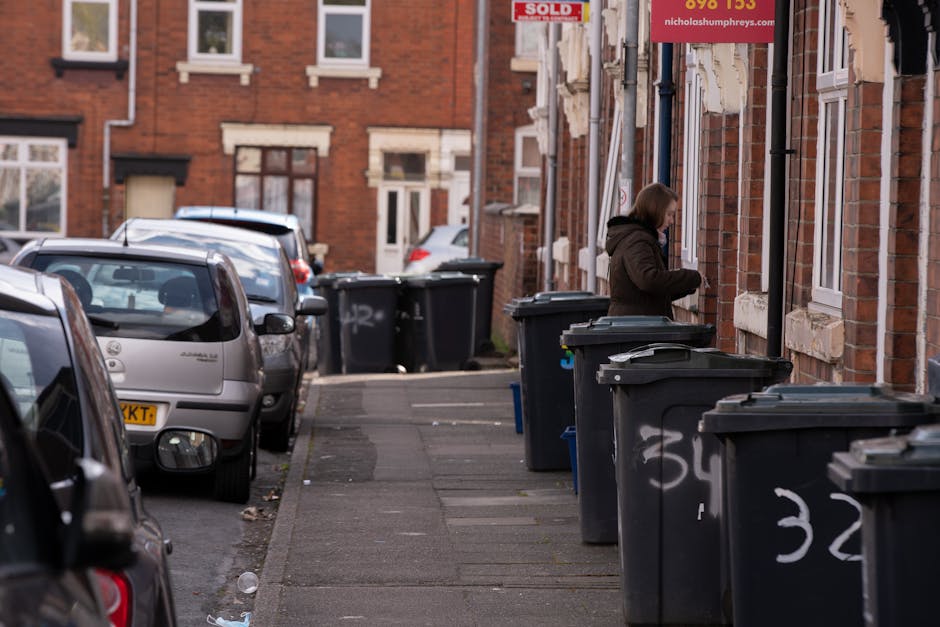
Balham High Road is one of those places where home life and street life sit very close together. There are flats, maisonettes, terraced homes, conversions, and properties with limited storage. That means waste builds up in awkward ways. A couple of bulky items in a narrow stairwell can suddenly feel like a full-scale obstruction.
Good rubbish removal matters because it keeps your home usable. It also protects access, which is especially important in shared buildings where neighbours, cleaners, or delivery drivers need a clear route. If you have ever tried to move a sofa down a tight staircase while pretending the banister is not in the way, you know the feeling. Not ideal.
There is another side to it too: confidence. When your waste is removed properly, you know it is being handled by people who understand sorting, loading, and disposal. That matters for mixed household junk, old appliances, and anything that needs special care. In practice, this often means choosing a service that is clear about what it takes, what it can take, and where different waste streams go.
For homes that need broader decluttering, it can also overlap with home clearance or, if the job is bigger, house clearance. Those services are useful when rubbish is only part of a larger clear-out.
Expert summary: if the waste is getting in the way of everyday life, delaying the job usually makes it harder, not easier. Small piles become big piles. Big piles become blockers. And then everyone's annoyed before the kettle's even on.
How rubbish removal for Balham High Road homes works
At a basic level, rubbish removal is straightforward: you identify the items, arrange collection, and have them taken away for sorting and disposal. In the real world, though, the details matter. A proper collection should account for access, load size, lifting safety, and what kind of waste you are dealing with.
The process often starts with a description or photos. That helps estimate the volume and decide whether the job is a small load, a partial clear-out, or something closer to a full property clearance. If the waste includes furniture, broken fixtures, old white goods, or renovation debris, the handling changes a little. For example, a stack of flat-pack packaging is very different from a cracked wardrobe that needs two people and a careful route to the van.
On Balham High Road, access is often the tricky bit. You may have limited parking, shared entrances, stairs, or a tight window for collection. Good planning solves most of this. If the crew knows where they can park, which entrance to use, and what needs dismantling, the job usually runs smoothly. If not, even a simple pickup can drag on.
For mixed waste, many homes also benefit from linked services such as furniture disposal or waste removal. That is handy when the rubbish is a blend of general household items and heavier pieces you do not want to wrestle with yourself.
What usually happens on the day
- You confirm what needs removing and, if needed, provide access details.
- The crew arrives and checks the load, the route, and any items that need special handling.
- Items are taken out carefully, with attention to walls, stairs, and shared areas.
- The waste is loaded and separated for the right disposal route where possible.
- The area is left tidier and easier to use again.
That is the ideal flow. Simple, but not sloppy.
Key benefits and practical advantages
People usually think of rubbish removal as a convenience service. Fair enough. It is that. But the better reason to use it is that it solves several problems at once.
- Time saved: no repeated trips, no hiring a van, no spending your Saturday at the tip with a boot full of broken shelving.
- Safer lifting: bulky items are awkward, and awkward is where accidents happen.
- Better use of space: once the waste is out, rooms become usable again. That spare room can finally be a room, not a dumping ground.
- Less disruption: a planned collection is usually faster and calmer than trying to do everything in stages.
- More suitable for narrow access: homes off Balham High Road often need careful removal through stairs, hallways, and shared entrances.
- Cleaner end result: the job is not just removal, but resetting the space so it feels manageable again.
There is also a psychological benefit, though people do not always say it out loud. Once the rubbish is gone, the whole place feels lighter. Not in a magical way. Just less oppressive. Less clunky. You can breathe a bit easier.
If you are comparing services, it can help to look at what is included and how the company handles sorting and recycling. A page like recycling and sustainability is worth checking because it gives you a better sense of how waste is treated after collection.
Who this is for and when it makes sense
Rubbish removal makes sense for a wide range of Balham High Road homes. It is not only for major clear-outs. Sometimes the most sensible time to call for help is when a job feels too large for your energy, your schedule, or your hallway.
Typical situations include:
- after a room refresh or decluttering session
- before moving out of a flat or house
- after a delivery has left bulky packaging behind
- when old furniture is no longer needed
- after minor DIY work has created extra debris
- when a loft, garage, or storage space has got out of hand
If the waste is mainly in one area, targeted services can be the right fit. For example, a stuffed storage space might suit garage clearance or loft clearance. If the problem is one old sofa, a small number of chairs, or a dining set, then furniture clearance may be the more direct option.
And if your property is a flat with awkward access or shared areas, flat clearance can be especially relevant. That sort of service is built around the realities of stairwells, communal halls, and the everyday faff of London buildings.
Truth be told, if you are already wondering whether it is "worth getting someone in", that is usually your cue. The longer rubbish sits around, the more it becomes background clutter. Then it becomes normal. Then it becomes annoying again. A bit of a cycle.
Step-by-step guidance
If you want the job to go well, a little preparation helps a lot. Nothing fancy. Just a sensible approach.
- Walk through the space. Identify what needs to go and separate it from anything you are keeping.
- Sort by type. Keep general rubbish, furniture, DIY offcuts, and reusable items distinct where possible.
- Check access. Think about stairs, lifts, narrow corridors, parking, and whether anything needs dismantling.
- Remove small valuables first. Drawers, shelves, or cupboard units sometimes hide items you would rather keep.
- Book the right kind of service. A small rubbish job is not the same as a full property emptying.
- Be clear about awkward items. Tell the team about heavy wardrobes, mattresses, sharp materials, or anything fragile.
- Prepare the route. Move shoes, plant pots, bins, and anything else that could snag or trip people.
- Do a final check. Before the van leaves, take one slow look around. You always spot one extra bag at the worst possible moment.
If the job includes household waste mixed with old furnishings, it can help to combine a general collection with furniture disposal rather than trying to split everything yourself. Less hassle, fewer trips, less standing around wondering why the screws are everywhere.
Practical tip: take photos before the collection if the load is sizeable. It is a simple way to keep track of what was there and avoid last-minute confusion.
Expert tips for better results
After enough clear-outs, a few patterns become obvious. The smoother jobs are not always the smallest ones. They are the ones that were thought through early.
- Choose the right timing. Early slots can be easier in busier local streets, especially where parking is awkward.
- Label what stays. A bit of tape or a marker on items you want to keep avoids accidental mix-ups.
- Flatten what you can. Cardboard boxes and broken-down packaging take up less room and are easier to load.
- Keep access clear. A tidy route saves more time than people expect.
- Flag fragile or heavy items upfront. That reduces lifting surprises.
- Ask how waste is handled. If sustainability matters to you, it is worth knowing whether recyclable material is separated where possible.
- Think in zones. One room at a time is often calmer than trying to clear the whole property in a rush.
A slightly odd but useful habit: keep a "do not remove" pile in a visible spot. It sounds basic, because it is basic. Basic is good. Basic works.
If you want reassurance around standards, it is sensible to review insurance and safety alongside health and safety policy. Those pages help set expectations for careful, responsible handling.
Common mistakes to avoid
Most rubbish removal problems are avoidable. They happen when people underestimate access, overestimate what they can shift in one go, or forget that waste has to go somewhere lawful and sensible.
- Waiting too long: clutter becomes harder to sort once it spreads.
- Not checking access properly: if the item will not fit, it will not fit. Annoying, but true.
- Mixing keep and remove piles: this is how good items vanish by mistake.
- Assuming every item is handled the same way: mixed waste often needs different treatment for different materials.
- Ignoring disassembly needs: many large items are easier and safer when broken down first.
- Choosing solely on the cheapest quote: price matters, sure. But clarity, reliability, and safe handling matter too.
Another common one: people forget about the aftermath. Once the rubbish is out, you may still need a quick sweep, a dust-down, or a bit of reorganising. Not glamorous, I know. But it makes the result feel complete.
If your project has a builder's element, such as knocked-out plaster, old fixtures, or renovation offcuts, look at builders waste clearance rather than treating it like standard household rubbish. Construction waste is its own little beast.
Tools, resources and recommendations
You do not need a garage full of specialist gear to organise a rubbish removal job. A few simple tools are usually enough.
- Strong bags or boxes: useful for loose household junk and smaller items.
- Marker pen or labels: helpful for separating keep and remove items.
- Measuring tape: useful if you are checking whether bulky furniture can get through a doorway.
- Gloves: sensible for rough items, dusty storage spaces, or old packaging.
- Phone camera: quick photos help with planning and communication.
On the planning side, a good place to start is pricing and quotes. That gives you a way to compare what is being offered before you commit. Not every job needs the same level of service, so clarity up front is useful.
It can also help to review a company's background and approach. The about us page often tells you a lot about how they work, what they prioritise, and whether they sound like actual people who have done this before.
And if you are ready to move forward, contact us is the obvious next step. Simple, direct, no drama.
Law, compliance, standards, or best practice
For home rubbish removal in the UK, the key principle is that waste should be handled responsibly and taken to the proper place. That sounds obvious, but it is worth saying plainly because not every operator works the same way. As a homeowner, you want confidence that waste will not be fly-tipped or mishandled.
In practical terms, good practice usually means:
- sorting materials sensibly where possible
- handling items safely and without avoidable damage
- respecting access routes and shared property spaces
- being clear about restricted or unsuitable items
- using transparent pricing and honest descriptions of what is included
If the property is part of a block or conversion, access and neighbour courtesy matter too. A team that works quietly, keeps hallways clear, and avoids blocking communal areas is usually worth its weight in gold. Small thing, big difference.
For some households, payment handling and privacy also matter, especially when booking by phone or online. Pages such as payment and security and privacy policy can help you understand how those matters are dealt with.
If anything seems unclear, ask. That is not being fussy. That is being sensible.
Options, methods, or comparison table
There is more than one way to clear rubbish from a Balham High Road home. The best choice depends on volume, access, and how much lifting you want to do yourself.
| Method | Best for | Pros | Trade-offs |
|---|---|---|---|
| DIY to the local tip | Very small loads and straightforward items | Can suit tiny jobs if you already have transport | Time-consuming, physically demanding, parking and loading can be awkward |
| Man and van style rubbish collection | Mixed household waste, bulky items, medium jobs | Fast, flexible, less lifting for you | Needs clear access details and a sensible load description |
| Targeted furniture or room clearance | Specific items or one area of the home | Good for sofas, wardrobes, lofts, garages, or flats | May not suit general loose waste if the job is too varied |
| Full home or house clearance | Larger declutters, move-outs, inherited properties, major resets | Most thorough option, fewer separate bookings | Can be more involved than a small waste collection |
If you are unsure where your job sits, think about the heaviest item first. That one item usually tells the truth. A bag of soft rubbish is easy. A broken sofa on the third floor, less so.
Case study or real-world example
A typical Balham High Road scenario goes like this. A homeowner has been living with an old chest of drawers, two broken dining chairs, boxes from a recent delivery, and a few bagged bits from a spare room clear-up. Nothing dramatic on its own, but together it has become a nuisance. The hallway is tighter than it should be, and the spare room cannot really be used.
Instead of trying to deal with it over several weekends, the items are grouped together, access is checked, and the larger furniture is separated from the lighter waste. The collection is booked as a small domestic rubbish removal job with furniture disposal included. On the day, the items are taken out in one go, the route is kept clear, and the room is left ready for a fresh start.
The useful part of this example is not the items themselves. It is the sequence. The job went smoothly because someone made the call before the clutter became a permanent feature of the house. You know how it is. Once a spare room becomes "the room with the stuff", getting it back can feel like a tiny act of victory.
If the property had been a flat with shared access, the same job might have leaned more toward flat clearance, because the access and handling needs are a bit different. Same rubbish in spirit. Different logistics.
Practical checklist
Use this before you book rubbish removal for your Balham High Road home.
- Have I separated what is staying from what is going?
- Do I know which items are bulky, heavy, or awkward?
- Is the access route clear enough for safe removal?
- Have I checked whether anything needs dismantling?
- Do I know if the waste is general household rubbish, furniture, DIY debris, or a mix?
- Have I included storage areas such as lofts, garages, or sheds if needed?
- Are there any items that need special handling or extra care?
- Have I looked at pricing and quotes so I know what to expect?
- Do I understand what happens to recyclable material?
- Have I got a final sweep and check planned once the collection is done?
It really is worth taking five minutes here. Five minutes now can save an hour later. Sometimes two.
Conclusion
Rubbish removal for Balham High Road homes is one of those services that quietly makes everyday life easier. It clears access, reduces stress, frees up space, and takes the lifting off your shoulders. Whether you are dealing with a few bulky items, a cluttered flat, or a bigger home clear-out, the right approach is the one that fits the property and the load without creating extra hassle.
My honest advice? Start with the access, be clear about the items, and choose a service that feels careful rather than rushed. That alone removes a lot of uncertainty. And once the space is clear, you notice it immediately. The room sounds different. Feels different. Better, somehow.
Get a free quote today and see how much you can save.
When the rubbish is gone, the house tends to breathe again. That is usually the moment people realise they waited too long.
Frequently Asked Questions
What counts as rubbish removal for a Balham High Road home?
It usually means collecting and taking away unwanted household waste, bulky items, broken furniture, packaging, and similar non-hazardous items from a home. The exact scope depends on the service and the type of waste involved.
Is rubbish removal better than doing it myself?
If the load is small and you already have transport, DIY can work. For bulky, heavy, or awkward items, professional removal is usually easier, safer, and far less time-consuming.
Can rubbish removal handle furniture as well?
Yes, often it can. Many jobs include sofas, tables, wardrobes, and similar items. In some cases, a dedicated furniture disposal service is the cleaner fit.
What if I live in a flat with tight stairs or limited access?
That is common on and around Balham High Road. Good access information helps a lot, and services such as flat clearance are designed with these challenges in mind.
Do I need to sort the rubbish before collection?
Basic sorting is helpful, but you usually do not need to overcomplicate it. Separating keep items from remove items, and flagging anything unusual, is normally enough to get started.
How do I know whether I need house clearance instead?
If the job involves most of a property, several rooms, or a major move-out, house clearance or home clearance may be more suitable than a simple rubbish collection.
What should I do with old items from a loft or garage?
Those spaces often hold a mix of forgotten belongings, broken storage, and random bits you have not looked at in years. A targeted loft clearance or garage clearance can make the job much easier.
How can I compare different rubbish removal options?
Compare the type of waste they handle, how they deal with access, whether they are clear on pricing, and whether they explain recycling and disposal. The cheapest option is not always the best one.
What happens to recyclable waste?
Recyclable material is typically separated where possible and routed appropriately. If sustainability matters to you, review the provider's approach to recycling and disposal before booking.
Is rubbish removal useful after DIY or renovation work?
Yes. If the waste includes plaster, offcuts, or other building debris, a service such as builders waste clearance is usually a better match than standard household waste collection.
How do I avoid problems on collection day?
Clear the access route, keep items you are retaining separate, mention heavy or awkward pieces in advance, and leave enough time for a final check before the crew leaves.
Where should I start if I want to book?
Start with a quick look at pricing and quotes, then use contact us if you are ready to discuss the job. That keeps things simple and gives you a clearer idea of what to expect.
Is it worth using a professional service for just a few items?
If the items are light and easy, maybe not. But once stairs, parking, lifting, or timing become awkward, a professional collection can save a surprising amount of effort. Sometimes the smallest jobs are the most annoying ones.
Can I trust that the waste will be handled properly?
A trustworthy provider should be clear about safety, handling, and disposal practices. It is sensible to look at pages such as health and safety policy and insurance and safety for reassurance before you book.