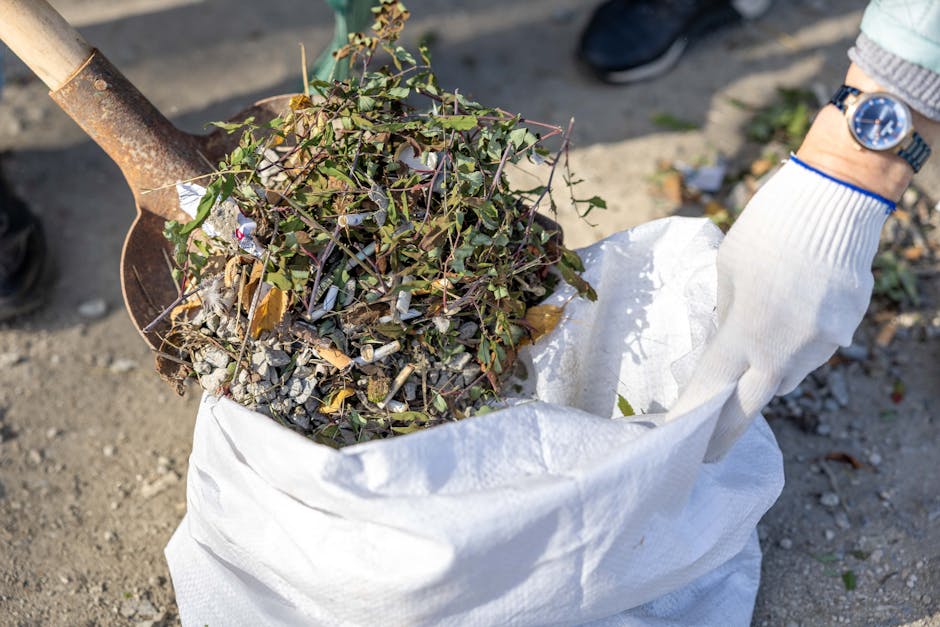
Nightingale Triangle garden rubbish clearance options

If you are looking at a heap of hedge cuttings, broken planters, old turf, or that awkward pile of soil bags in the garden, you are probably not after theory. You want a clear answer: what are the real Nightingale Triangle garden rubbish clearance options, what do they cost in time and effort, and which one makes sense for your space? Fair enough.
This guide walks through the practical choices available to homeowners, landlords, tenants, and gardeners in and around Nightingale Triangle. It explains how each option works, where it fits best, what to watch out for, and how to avoid the common headaches that tend to show up on a damp Saturday morning when the bags start tearing and the alleyway is already narrow. Let's make it simpler.
- Why it matters
- How it works
- Key benefits and practical advantages
- Who this is for and when it makes sense
- Step-by-step guidance
- Expert tips for better results
- Common mistakes to avoid
- Tools, resources and recommendations
- Law, compliance, standards, or best practice
- Options, methods, or comparison table
- Case study or real-world example
- Practical checklist
- Conclusion
- Frequently asked questions
Why Nightingale Triangle garden rubbish clearance options Matters
Garden clearance sounds straightforward until you are standing in front of a mixed pile of green waste, bits of timber, plastic pots, cracked paving, and maybe a rusted barbecue that has seen better summers. In Nightingale Triangle, space is often tight, access can be awkward, and neighbourly considerations matter. That changes the job quite a bit.
The right clearance option matters because garden waste is not all the same. Grass cuttings and hedge trimmings are light but bulky. Soil is heavy. Broken fencing and old sleepers are awkward. Mixed loads can quickly become too much for a normal car boot, and a trip or two to the tip can turn into a half-day project. Then there is the simple reality of energy. You do not want to spend your weekend wrestling brambles when you could be enjoying a tidy outdoor space.
There is also the question of disposal quality. A good garden rubbish clearance option should keep reusable and recyclable material separate where possible, reduce unnecessary landfill, and leave the garden in a better state rather than merely "less bad." That may sound obvious, but in practice it is where many jobs go wrong.
Expert summary: the best clearance option is usually the one that matches the type of waste, the size of the load, your access constraints, and the amount of time you are prepared to spend moving everything around twice. Simple, yes. Always simple? Not quite.
How Nightingale Triangle garden rubbish clearance options Works
Most garden rubbish clearance jobs fall into one of a few routes. Some people sort and bag waste themselves, then use a council collection or a local drop-off point. Others book a professional clearance service to collect the waste from the property. Some combine both approaches, which is often the smartest move for mixed or heavy loads.
In practical terms, the process usually looks like this:
- Sort the waste into green waste, general garden waste, soil, timber, metal, and any hazardous items that should not be mixed in.
- Estimate the volume by looking at the size of the pile, not just the number of bags. A few heavy bags can matter more than a dozen light ones.
- Check access for narrow side returns, stairways, basement gardens, or limited parking. This is often the bit people underestimate.
- Choose the disposal route based on convenience, price, and load type.
- Arrange clearance and make sure the waste is ready to move on collection day.
- Confirm responsible disposal so you know the waste is handled properly and, where possible, recycled.
For many local households, the job is less about the waste itself and more about the logistics. A back garden may be only a few metres from the street, but if the route runs through a tight hallway and a side gate that sticks in the rain, the best clearance method can change pretty quickly. That is why a flexible approach usually wins.
What counts as garden rubbish?
Garden rubbish typically includes branches, leaves, grass cuttings, hedge trimmings, weeds, soil, roots, old compost, damaged sheds or shed parts, broken pots, fencing, unwanted garden furniture, and small amounts of mixed outdoor junk. Some of it is recyclable, some of it is reusable, and some of it needs careful separation. The trick is not to let one awkward item ruin the whole load.
Key Benefits and Practical Advantages
Choosing the right clearance route is not just about getting rid of waste. It can also save time, reduce strain, and make the whole garden usable again much faster. That part matters more than people think.
- Faster turnaround: professional collection can clear a space in a single visit, which is handy if you are preparing for a sale, rental inspection, or a garden project.
- Less physical effort: lifting soil bags, broken fencing, and green waste is tiring work. There is no prize for doing it the hard way.
- Better sorting: when waste is separated properly, recycling and reuse become more realistic.
- Cleaner finish: a proper clearance often leaves the area tidier than a self-hauled tip run, especially if there is loose debris.
- Safer handling: fewer back-and-forth trips means less risk of injury, strained lifts, or lifting awkward items down steps.
- Less disruption: in a neighbourhood like Nightingale Triangle, keeping the job tidy and contained matters to neighbours and pedestrians.
One small but important advantage: a good clearance plan helps you decide what to keep before you start moving anything. That sounds almost too basic, but people often start hauling waste too soon and later realise they have thrown away compost that could have been reused or timber that could have been repurposed.
Practical takeaway: if the waste is light, clean, and already bagged, you have more low-cost options. If it is mixed, heavy, or awkward to access, a more managed collection route is usually worth it.
Who This Is For and When It Makes Sense
These garden rubbish clearance options are useful for a wide range of people, and the best choice depends on the situation more than the postcode. Still, Nightingale Triangle brings its own realities: residential streets, limited storage, and gardens that are sometimes bigger than they first appear once you get into the corners.
This guide is especially relevant if you are:
- a homeowner tackling a seasonal garden tidy-up
- a tenant needing to leave an outdoor space presentable at the end of a tenancy
- a landlord preparing a property between lets
- a gardener clearing pruning waste after a bigger job
- a family sorting an overgrown garden after months of neglect
- someone dealing with mixed rubbish after a shed, fence, or patio project
It also makes sense when the waste is bigger than a few bin bags, or when your council bin collection simply is not enough. If you have ever tried to split a bramble pile into "one more bag" and "one more bag" until the bag finally gives up, you will know the feeling.
Truth be told, the moment you start asking whether the pile is too much for a normal car, that is usually the moment to step back and compare proper clearance options.
Step-by-Step Guidance
If you want the smoothest result, follow a method instead of improvising on the day. A bit of planning prevents the classic garden-clearance chaos: double handling, broken bags, and waste sitting around for another week because no one had the right vehicle.
1. Separate the waste into sensible groups
Start with green waste, then move to soil and hardcore, then timber, then mixed rubbish. Keep anything sharp, heavy, or damp apart from lighter cuttings. This makes collection easier and can help reduce cost if different waste types are priced differently.
2. Check what can be reused or composted
Not everything needs to leave the property. Compostable cuttings, decent topsoil, or usable pots can sometimes be kept for later. A tidy garden often starts with a quick "keep, reuse, remove" decision rather than a blind clear-out.
3. Measure the space, not just the pile
Access matters. Think about the width of gates, distance to vehicle parking, steps, and whether anything needs carrying through the house. A small pile in the back corner can still be awkward if it needs to pass through a narrow hallway.
4. Decide whether you want self-removal or collection
Self-removal may suit light, bagged waste if you have the vehicle and time. Collection is usually better for heavier loads, mixed materials, or when you simply want the task over with. Neither is "better" in every case; it depends on the job.
5. Get the garden ready before collection day
Stack bags where they are easy to reach, keep paths clear, and avoid blocking access with plant pots or furniture. If there is loose material, sweep it into piles so nothing gets left behind. Small detail, big difference.
6. Confirm what will happen after collection
Ask how waste is handled, whether recycling is prioritised, and what happens to green waste versus general rubbish. A reputable operator should be clear about this. If the answer is vague, that is a little red flag waving in the breeze.
Expert Tips for Better Results
In our experience, the best garden clearances are the boring ones. Boring means sorted, ready, and not overcomplicated. That is usually the sign everything is under control.
- Bag lighter waste first: leaves and grass can be bagged quickly, which gives you immediate progress and helps you see the true size of the remaining load.
- Keep soil separate: soil and turf can be heavy enough to change the whole cost and collection plan.
- Protect access routes: if you are carrying waste through a kitchen or side passage, lay something down to protect floors and reduce mess.
- Use sturdy sacks: thin bags split easily on thorns, wet clippings, and rough timber edges. Annoying, really annoying.
- Stack by weight: heavier items low, lighter items on top if they are being collected together.
- Think about weather: a wet morning can turn bags slippery and add weight to green waste. That is one of those details people only notice once they are mid-lift.
- Book with some margin: if you think the job might be half a load, plan for a little more. Gardens have a way of hiding extra waste in corners and behind sheds.
A good rule of thumb is this: the less sorting you leave until collection day, the smoother the whole thing becomes. And yes, that includes the mysterious corner where old plant supports, snapped canes, and one lonely tyre somehow all ended up together.
Common Mistakes to Avoid
Most clearance problems come from a small number of predictable errors. None of them are dramatic on their own, but together they can turn a quick tidy-up into a messy weekend.
- Mixing everything together: once green waste, timber, soil, and general rubbish are blended, sorting becomes slower and more expensive.
- Underestimating weight: soil, wet cuttings, and broken paving can be far heavier than they look.
- Ignoring access issues: a collection vehicle is no help if the waste is piled where it cannot be reached safely.
- Assuming the council will take everything: some items need separate handling, and not all bulky garden waste fits standard collection rules.
- Leaving sharp or hazardous material in with the waste: broken glass, chemicals, fuel containers, asbestos, and similar items need special care.
- Waiting too long: a pile left out in the open can get wet, spread, smell, or become home to pests. Nobody wants that.
Another common mistake is forgetting the "after" part. Clearing the waste is great, but what are you doing with the space next? If a garden redesign, repair, or planting project is coming up, plan the clearance so it supports the next job rather than creating a second pile later.
Tools, Resources and Recommendations
You do not need a shed full of specialist kit to deal with garden rubbish properly, but the right tools make a big difference. A few practical items will save time and keep things safer.
Useful tools for DIY sorting
- heavy-duty rubble sacks or garden waste bags
- work gloves with a decent grip
- secateurs and loppers for reducing bulky branches
- a rake and broom for gathering loose debris
- a wheelbarrow or garden trolley for moving bags or soil
- a tarp or sheet for temporary sorting
Useful service pages to understand related clearance needs
If your garden waste is part of a larger clear-out, it can help to compare similar removal services. For example, if the job has spread into the garage or loft as well, you may find it useful to look at garage clearance, loft clearance, or a broader home clearance service. And if the waste includes broken outdoor furniture or old chairs, furniture disposal may be relevant too.
For customers who want the wider picture, pages on waste removal, garden clearance, and recycling and sustainability are useful starting points. If you are comparing prices, the pricing and quotes page can help you understand how estimates are usually approached.
Law, Compliance, Standards, or Best Practice
Garden rubbish clearance is not especially complicated from a legal point of view, but there are still sensible standards to follow. If waste is being removed from your property, it should be handled responsibly and disposed of through legitimate channels. That is the practical baseline.
In the UK, householders still have a duty of care in a broad sense: you should make reasonable efforts to ensure waste does not end up being fly-tipped or mishandled. In plain English, that means using a trustworthy disposal route and being cautious about who takes the waste away. If a price looks oddly cheap and the operator cannot explain where the waste goes, pause there.
There are also safety considerations. Green waste can hide nails, wire, broken glass, or sharp metal. Soil may contain old debris. Timber may be treated. And chemicals from garden sheds should not be casually mixed in with normal waste. Those details matter more than people think, especially on smaller residential sites where the collection area is close to footpaths or neighbours.
For peace of mind, it helps to work with a business that has clear policies on health and safety, insurance, and security. Public-facing policy pages such as health and safety policy, insurance and safety, and payment and security are useful trust signals when you are comparing options. If you ever have a concern, it is sensible to check a company's complaints procedure as well.
Best practice in one sentence: keep waste sorted, keep access safe, and choose a disposal route you can trust. Simple enough, but worth repeating.
Options, Methods, or Comparison Table
There is no single best route for every garden. The table below compares the most common Nightingale Triangle garden rubbish clearance options so you can match the method to the job.
| Option | Best for | Main advantage | Main drawback |
|---|---|---|---|
| DIY bagging and council disposal | Small, light, well-sorted loads | Can be low cost if you already have transport and time | Labour-heavy and can involve multiple trips |
| Skip hire | Medium to larger mixed projects | Useful if waste will be generated over several days | Needs space and can be awkward on narrow streets |
| Professional collection service | Heavy, bulky, or awkward loads | Fast, convenient, minimal lifting | Usually more expensive than self-haul for very small loads |
| Part DIY, part collection | Mixed jobs with some time to sort | Balances cost and convenience | Requires a bit of planning |
For many homes in and around Nightingale Triangle, the middle ground is the sweet spot. Sort what you can, separate the easy stuff, and let a professional collect the heavy or messy remainder. That way, you keep some control without turning the whole thing into a weekend project that never ends.
Case Study or Real-World Example
Here is a realistic local-style example. A small back garden had been left for a couple of seasons while planting beds went untended. By the time it was tackled, the waste included hedge trimmings, a rotting planter, a pile of old compost bags, several broken canes, and a few heavy bags of soil from an earlier border renovation. Nothing outrageous, just enough to be awkward.
The first instinct was to do it in one go with the family car. That would have meant multiple trips, wet bags in the boot, and a fair amount of lifting through a narrow passage. Instead, the waste was split into three groups: green waste, soil, and mixed rubbish. The lighter green waste was bagged neatly, the soil was left separate, and the mixed debris was stacked safely near the access point. The whole job became simpler immediately.
A collection-based approach then made sense because the heavier items could be removed in one visit. The garden ended up clear, the access route stayed tidy, and the client could start planting again the same afternoon. Not glamorous, but very satisfying. You could almost smell the fresh earth once the old mess was gone.
The key lesson? The work got easier not because the waste changed, but because the process did. That is usually how these jobs go.
Practical Checklist
Use this checklist before arranging clearance so nothing important gets missed.
- Separate green waste, soil, timber, metal, and general rubbish
- Remove anything hazardous or unusual and set it aside for special handling
- Check gate widths, steps, and access to the collection point
- Estimate the load by volume as well as weight
- Decide whether DIY disposal or collection is more practical
- Bag loose waste securely and avoid overfilling sacks
- Keep pathways clear for safe carrying
- Protect floors or indoor routes if waste must pass through the house
- Ask how the waste will be handled after collection
- Confirm the date, arrival expectations, and payment details
- Think about what you want to do with the cleared space next
If you can tick most of those boxes, you are already ahead of the curve. Really.
Get a free quote today and see how much you can save.
Conclusion
Nightingale Triangle garden rubbish clearance options are most useful when you match the method to the job rather than forcing every garden into the same solution. Small, light waste can often be managed cheaply and simply. Heavy, mixed, or awkward loads usually justify a more organised collection. In between, there is a sensible middle path: sort first, remove what you can, and leave the hard part to a proper clearance service.
In the end, the goal is not just to get rid of waste. It is to regain the space, reduce stress, and leave the garden ready for whatever comes next, whether that is planting, paving, or just a quieter cup of tea outside without looking at a pile of bags. Nice, isn't it?
Useful next step: if you are comparing options, start with the size and type of waste, then look at access, timing, and disposal standards. That simple sequence will steer you to the right answer more often than not.
Frequently Asked Questions
What are the main Nightingale Triangle garden rubbish clearance options?
The main options are DIY disposal, skip hire, professional garden waste collection, or a mixed approach where you sort the waste yourself and let a service take the heavier load. The best choice depends on volume, access, and how much lifting you want to do.
Is it cheaper to clear garden waste myself?
Sometimes, yes. If the waste is light, already bagged, and you have suitable transport, DIY disposal can be lower cost. But once you factor in fuel, time, parking, and multiple trips, the difference can shrink quickly.
What kind of waste can usually go in a garden clearance?
Typical garden clearance includes branches, hedge cuttings, grass, weeds, leaves, soil, turf, old pots, fencing, timber, and some outdoor furniture. Hazardous items, chemicals, asbestos, and certain treated materials should be handled separately.
How do I know whether to choose skip hire or a collection service?
Choose skip hire if you expect waste to build up over several days and you have space for the skip. Choose collection if you want a quick one-off removal, especially if access is tight or the load is already ready to go.
Can garden rubbish be recycled?
Often, yes. Green waste, clean timber, metal, and some other materials can usually be separated for recycling or recovery. Mixed rubbish is harder to process, so sorting helps improve recycling potential.
What should I do with soil and turf?
Soil and turf are heavy, so they need special attention when planning clearance. Keep them separate from lighter green waste if possible, because they can change the weight and cost of the job quite a bit.
How long does garden rubbish clearance usually take?
That depends on the amount and access. A small tidy-up may be handled quickly, while a bigger overgrown garden or a mixed waste pile can take longer to sort and remove. The access route matters almost as much as the pile itself.
What if my garden is hard to access?
Narrow gates, steps, and side passages do not prevent clearance, but they do affect the best method. In those cases, a professional collection service is often more practical than trying to move everything yourself.
Do I need to separate green waste from general rubbish?
Yes, if you can. Separation usually makes disposal cleaner, safer, and sometimes more cost-effective. It also helps with recycling and reduces the chance of useful material being mixed in with non-recyclable waste.
How can I avoid fly-tipping or poor disposal?
Use a reputable service, ask how waste will be handled, and make sure you are comfortable with the answer. If anything feels vague or rushed, step back. A proper operator should be clear about disposal practices.
Is garden clearance worth it before landscaping or planting?
Absolutely. Clearing out the rubbish first makes landscaping cleaner, safer, and easier to plan. You can see the true shape of the garden, measure properly, and avoid building new work around hidden waste.
Can one visit handle a full garden clear-out?
Often it can, especially if the waste is sorted and access is straightforward. Bigger or more awkward gardens may need a staged approach, but a single visit is common for moderate loads.
For broader support, you may also want to review the company's about us page or check the contact us page if you want to talk through access, timings, or the shape of the job first.