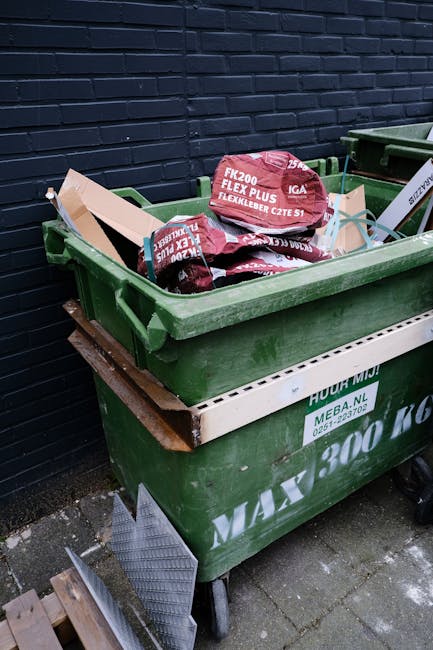
Lambeth Council skip alternatives for Balham rubbish collection
If you live or work in Balham and you are staring at a pile of bags, broken furniture, garden waste, or renovation rubble, you probably want the simplest way to get it gone without turning the street into a skip site. That is exactly where Lambeth Council skip alternatives for Balham rubbish collection come in. For many households, flats, landlords, and small businesses, a skip is not the best fit at all. Parking can be awkward, permit issues can be annoying, and in a busy London street, a skip can feel like more trouble than it is worth.
This guide breaks down the practical alternatives, how they work, when they make sense, and what to watch out for. You will also get a comparison table, a useful checklist, and a few local-minded tips that make the whole process less stressful. Let's face it, rubbish rarely arrives at a convenient moment.
Table of Contents
- Why Lambeth Council skip alternatives for Balham rubbish collection Matters
- How Lambeth Council skip alternatives for Balham rubbish collection Works
- Key Benefits and Practical Advantages
- Who This Is For and When It Makes Sense
- Step-by-Step Guidance
- Expert Tips for Better Results
- Common Mistakes to Avoid
- Tools, Resources and Recommendations
- Law, Compliance, Standards, or Best Practice
- Options, Methods, or Comparison Table
- Case Study or Real-World Example
- Practical Checklist
- Conclusion
- Frequently Asked Questions
Why Lambeth Council skip alternatives for Balham rubbish collection Matters
Skip alternatives matter because most rubbish problems in Balham are not really "skip problems." They are access problems, timing problems, sorting problems, and sometimes just plain life-admin problems. A skip can be useful, sure, but it is often oversized for a flat clearance, too bulky for a tight road, or inconvenient for a one-off job that only takes a few hours to clear.
In a place like Balham, where many homes are flats, terraces, conversions, and properties with limited off-street space, the practical realities change the decision. You may need something that can collect from inside a property, from a basement, from a top-floor flat, or from a front garden where the pile is still growing. Skip alternatives usually handle those situations more neatly.
There is also the convenience factor. If you do not want to load waste yourself, or you have heavy items to move, a man-and-van style collection or full clearance service can save your back and your weekend. That matters more than people think. Nobody wants to spend Saturday afternoon wrestling a sofa down three flights of stairs while the kettle goes cold.
From a practical SEO standpoint, people searching this topic are usually trying to solve one of three things: get rid of waste quickly, avoid a skip permit headache, or find a more cost-effective way to remove mixed rubbish. This article addresses all three.
How Lambeth Council skip alternatives for Balham rubbish collection Works
The main idea is simple: instead of hiring a traditional skip and leaving it on the road or driveway, you book a collection-based service that removes waste directly from your property or from a pre-arranged accessible point. Depending on the job, this might mean a single bulky-item pick-up, a full house clearance, or a mixed rubbish collection.
Most alternatives work in one of these ways:
- Load-and-go rubbish removal - a team arrives, loads the waste, and takes it away the same day or at an agreed time.
- Bulky item disposal - ideal for furniture, appliances, mattresses, or awkward items.
- Room-by-room clearance - useful for flats, lofts, garages, and decluttering projects.
- Trade or building waste clearance - for renovation debris, timber, packaging, and site waste.
- Garden or outdoor clearance - for soil, branches, hedge cuttings, and green waste.
For many people, the biggest difference is that you are not doing the heavy lifting alone. You describe what needs removing, receive a price based on the load or scope, and arrange a collection window. If you want a broader disposal option, a dedicated waste removal service can be a better fit than a skip hire route.
Skip alternatives are also useful where the waste is mixed. A traditional skip does not care whether the contents are tidy, but the final sorting still matters to the operator. A good collection service can separate reusable items, recyclable materials, and general waste more efficiently. To be fair, that is often what people really need: not a metal box on the street, but a clean result by tea time.
If the job involves old sofas, wardrobes, beds, or loose furniture, it may make sense to look at furniture clearance or furniture disposal. For bigger domestic jobs, home clearance or house clearance can be more efficient than leaving rubbish in stages.
Key Benefits and Practical Advantages
There are several reasons why Balham residents choose skip alternatives instead of a standard skip. Some are obvious, some only become obvious after one messy attempt with a skip and no parking space.
- No need to load a skip yourself - handy if you are short on time, have back issues, or are dealing with bulky items.
- Better for flats and tight access - especially in streets where a skip would block parking or be hard to place safely.
- Often faster - many collections can be arranged more quickly than organising a skip permit and waiting for delivery.
- Less visual clutter - useful if neighbours, visitors, or building management would rather not see a skip outside for days.
- More flexible for mixed waste - useful when your pile includes furniture, household clutter, garden waste, and odd bits of DIY debris.
- Potentially better value for small-to-medium jobs - paying for a full skip may be unnecessary if you only have a few cubic yards of waste.
A quieter benefit is peace of mind. You know the waste is being taken care of by a team that is used to dealing with access, lifting, and disposal rather than leaving you to figure out the logistics. That sounds small until you have three bags in the hallway, a wardrobe in pieces, and nowhere to put either.
For business users, the advantages can be even more practical. A small office, retail unit, or hospitality space may need furniture, packaging, or old equipment removed without disrupting the working day. In those cases, business waste removal or office clearance can be far more sensible than a skip sitting outside the premises.
Who This Is For and When It Makes Sense
This approach is not for everyone, and that is fine. The best choice depends on what you are clearing, how much of it there is, and how easy it is to access.
Skip alternatives usually make sense for:
- people in flats or maisonettes without driveway space
- households decluttering a room, loft, garage, or entire property
- landlords preparing between tenancies
- tenants clearing out after a move
- small builders or decorators with mixed light waste
- gardeners tackling a seasonal clear-out
- offices replacing desks, chairs, or filing cabinets
They are often a poor fit when you have a major construction job with heavy inert waste and a steady stream of debris. In that situation, a dedicated solution may still be needed. But even then, some projects work better with phased collections than a single huge container. Not every job needs a skip; sometimes it needs a clean plan.
If your main problem is a property packed with items rather than rubble, a more complete clearance service can be the obvious route. A flat clearance can be particularly helpful in Balham, where stair access and shared entrances can make self-loading a nuisance.
Garden projects are another good example. A pile of branches, old pots, broken fencing, and soil bags may look small at first and then somehow multiply overnight. For that kind of job, garden clearance can be a more practical option than a skip, especially if the waste is varied.
Step-by-Step Guidance
If you are trying to choose the right rubbish collection option, the easiest way is to work through the job in order. Keep it simple. No need to overthink it.
- List the waste types
Separate furniture, general rubbish, garden waste, and building debris. Mixed loads are common, but the mix affects the best solution. - Estimate the volume
Look at how much space the waste takes up. A few bin bags is very different from a stacked room of furniture. - Check access
Ask yourself whether the team can reach the items easily. Narrow stairs, no lift, controlled parking, or shared hallways all matter. - Decide whether you need labour
Do you want someone to collect items from inside the property, or just remove waste that is already outside? - Choose the service type
Home, house, loft, garage, office, furniture, builders, or garden clearance. Pick the closest match to the job. - Ask how the waste is handled
Recycling, reuse, and responsible disposal should be part of the plan, not an afterthought. - Confirm timing and access details
It saves hassle later if the crew knows about parking, entry codes, stairs, or restricted access. - Prepare the waste
Bag loose items, separate anything sharp, and keep hazardous materials out of the load unless the provider explicitly accepts them.
If the job is a one-off and reasonably straightforward, a quick collection may be enough. If it is a larger clear-out, you will usually save time by booking a fuller service once rather than arranging lots of smaller pickups. That is one of those boring little truths that turns out to be useful.
For building-related waste, look at the scope first. If it is plasterboard, timber offcuts, packaging, and general DIY debris, a builders waste clearance service can be a strong skip alternative. If it is household clutter from a move or refurbishment, house-based clearance is usually the cleaner route.
Expert Tips for Better Results
In our experience, the best jobs are the ones where the customer does a little planning before the team arrives. Nothing dramatic. Just a few smart decisions.
- Sort items by category before collection so the loading is quicker and the recyclable materials are easier to separate.
- Take photos if the job is large. A few clear pictures help avoid misunderstandings and make quoting more accurate.
- Keep a clear path from the waste to the exit. It sounds obvious, but hallways fill up fast when people start moving things.
- Flag awkward items early such as pianos, heavy wardrobes, appliances, or items stored in lofts.
- Use removal for value. If a load contains reusable furniture, it may be better handled through furniture clearance rather than lumped in with general rubbish.
- Think in terms of disruption. A slower, cheaper option is not always better if it means repeated mess, repeated lifting, and repeated stress.
Another tip: if you are clearing a whole property, do the obvious rooms first. Kitchen, lounge, bedroom, then storage. The attic comes last because, well, lofts are where old lamps and forgotten Christmas decorations go to become archaeology.
If the item list is mostly large furniture and household contents, a house clearance can be more efficient than trying to piecemeal everything into bags. And if you are working in an office, keep IT equipment, confidential paper, and bulky furniture separate so the process stays tidy.
Common Mistakes to Avoid
A lot of rubbish collection problems are avoidable. Most of them come down to underestimating the job or choosing the wrong method in a hurry.
- Choosing a skip because it feels familiar rather than because it is actually the best option.
- Underestimating access issues in Balham streets, especially where parking is tight or loading areas are limited.
- Mixing restricted items with general waste without checking whether the provider can take them.
- Booking too little capacity and then needing a second collection a few days later.
- Leaving everything until the last minute, which usually means stress, poor sorting, and extra clutter.
- Forgetting about recycling and reuse when there are still salvageable items on site.
One less obvious mistake is assuming all rubbish is the same. It is not. A load of old chairs, a broken wardrobe, and a few bags of mixed clutter may need a different approach from soil, rubble, or office equipment. The more accurately you describe the load, the better the result.
Another small but common one: forgetting building management or neighbours. In a flat block, that can matter. A polite heads-up can save a lot of awkwardness later, and sometimes a small bit of courtesy does more than a formal plan.
Tools, Resources and Recommendations
You do not need a truck or a spreadsheet to make good decisions, but a few practical tools can help.
- Phone camera - take simple photos of the waste and access route.
- Measuring tape - useful if you are unsure whether large furniture will fit through doors or stairwells.
- Room-by-room notes - a quick list helps when you are comparing collection options.
- Bin bags or boxes - handy for grouping mixed loose items before removal.
- Basic gloves and dust mask - sensible for dusty lofts, garages, or older stored items.
For planning and comparison, a clear price page can be useful when you are weighing options. See the site's pricing and quotes page for the sort of information that usually helps people decide whether to book a smaller collection or a more complete clearance.
If sustainability matters to you, it should, really, then it is worth checking how a provider approaches reuse and recycling. The recycling and sustainability page is the kind of resource that can help you understand what happens after the waste leaves your property.
For background on the business itself, many readers also like to review the about us page before booking. It can help set expectations, especially if you want to know how the service is positioned and what kind of work it handles.
Law, Compliance, Standards, or Best Practice
Any rubbish collection service in London should be handled with care, especially where waste is mixed, heavy, or potentially hazardous. You do not need to become an expert in waste law, but it is sensible to understand the basics.
In practical terms, that means:
- checking that waste is handled responsibly
- keeping hazardous or specialist materials separate unless the provider confirms they can take them
- being clear about what is being removed
- making sure access arrangements are safe for workers and residents
- avoiding fly-tipping or handing waste to anyone who cannot demonstrate proper disposal practices
UK best practice also expects waste to be sorted and disposed of through appropriate routes where possible. Reuse and recycling should be considered before disposal, especially for furniture, appliances, and office items. That is not just a nice extra; it is part of doing the job properly.
Safety matters too. Lifting awkward items, carrying waste through shared spaces, and moving debris from upper floors all bring risk. A reputable provider should approach the job with sensible precautions. If you want to understand more about operational standards, the site's health and safety policy and insurance and safety pages are useful reference points.
There are also basic trust signals worth checking when you are choosing a service. Clear terms, transparent payment handling, and a visible complaints process all help. For example, payment and security, terms and conditions, and complaints procedure are the kind of pages that show a business is taking the admin side seriously as well as the clearance itself.
Options, Methods, or Comparison Table
Here is a plain-English comparison of the most common skip alternatives for Balham rubbish collection.
| Option | Best for | Advantages | Limitations |
|---|---|---|---|
| Man-and-van rubbish removal | Mixed household waste, quick clearances, a few bulky items | Flexible, fast, no skip sitting outside, team does the lifting | May not suit very large volumes or heavy construction debris |
| Furniture clearance | Sofas, beds, wardrobes, tables, cabinets | Good for bulky items, less effort for the customer | Not ideal if the load is mostly loose rubbish or rubble |
| Home or house clearance | Whole-room or whole-property clear-outs | Efficient for large domestic jobs, useful for moves or probate-type clearances | More than you need for a tiny one-off load |
| Flat clearance | Flats with stairs, limited access, or no outdoor space | Suited to Balham's housing mix, easier than self-loading a skip | Needs clear access details and realistic timing |
| Garden clearance | Green waste, branches, soil bags, outdoor clutter | Good for seasonal jobs and mixed garden debris | Soil-heavy loads may require a more specific arrangement |
| Builders waste clearance | DIY and refurbishment waste | Better for short projects and mixed trade waste | Large construction programmes may still need more substantial planning |
If you are still undecided, here is the simple rule: the more access issues, labour, and time pressure you have, the more attractive skip alternatives become. If you have a simple, level, easy site and a predictable pile of inert waste, a skip may still be fine. But if you are dealing with stairs, parking, neighbours, and mixed items, collection-based disposal tends to be smoother.
Case Study or Real-World Example
Imagine a Balham flat clear-out on a Thursday evening. Nothing dramatic, just the usual build-up: a mattress, two bookcases, a broken office chair, several bin bags, some kitchen clutter, and a couple of boxes from the loft. The resident originally thinks about hiring a skip, then realises there is no easy place to put it without causing problems on the road.
Instead, they book a collection-style service. The team arrives, checks access, carries items down carefully, and removes the lot in one visit. No permit worries, no standing around waiting for the skip to be delivered, and no awkward "where do I put this metal box?" conversation with the street.
The useful part is not just speed. It is the shape of the solution. The waste is mixed, the space is awkward, and the job is inside the property rather than outside it. A skip would have solved the waste problem in theory, but probably not in the most efficient way.
A similar pattern comes up with offices. A small business in Balham may want to clear desks, shelving, and old paperwork from a back room over a lunch break. A flexible office clearance or business waste removal arrangement can keep the working day moving while the clutter disappears. Small detail, big relief.
Practical Checklist
Use this before you book any Lambeth Council skip alternative for rubbish collection in Balham.
- Have you listed the waste types clearly?
- Have you estimated how much there is?
- Is access straightforward, or are there stairs, narrow doors, or parking restrictions?
- Do any items need specialist handling?
- Would a furniture, garden, office, loft, or full property clearance fit better than a general collection?
- Have you separated reusable items from true waste?
- Do you know when you want the collection done?
- Have you checked the provider's terms, safety, and payment information?
- Have you thought about recycling and responsible disposal?
- Is there anything bulky or awkward that should be flagged in advance?
If you can answer most of those with confidence, you are in good shape. If not, take another five minutes. It will probably save you a headache later.
Conclusion
For Balham residents and businesses, skip alternatives are often the smarter, calmer, and more flexible answer to rubbish collection. They are especially useful where access is tight, waste is mixed, or the job is more about clearing a space than filling a container. And honestly, that describes a lot of real-life jobs.
The best choice is the one that fits the property, the waste type, and your level of effort. A small collection can be ideal for a few bulky items; a fuller clearance is better for whole rooms, lofts, offices, or homes; and a specialist approach is often the safest way to handle builders' debris or garden waste. Choose the method that makes the day easier, not the one that sounds familiar on paper.
Get a free quote today and see how much you can save.
If you are comparing options now, take a breath, check the access, and choose the route that keeps the job simple. The right clearance service should feel like a weight off your mind, not another thing to manage.
Frequently Asked Questions
What are the best skip alternatives for rubbish collection in Balham?
The best alternative depends on the waste. For mixed household clutter, a man-and-van collection or home clearance is often ideal. For bulky furniture, choose furniture clearance. For outdoor debris, garden clearance is usually better. For office or trade waste, use the most specific service available.
Is skip hire or rubbish collection better for a Balham flat?
In many flats, rubbish collection is the better fit because there is no need to place a skip outside or load it yourself. It also avoids the hassle of awkward access, narrow stairways, and limited parking, which are common problems in London flats.
Can I use a skip alternative for builders' waste?
Yes, in many cases. Small renovation jobs, DIY waste, timber, packaging, and mixed light building waste can often be handled through builders waste clearance. For larger or heavier construction projects, you should check whether the service matches the scale of the job.
Do I need to sort my rubbish before collection?
It helps, but you do not always need to sort everything perfectly. Grouping similar items makes collection faster and can improve recycling. At the very least, keep hazardous items separate and make sure the provider knows exactly what is being removed.
What if I only have a few bulky items to get rid of?
That is a classic skip alternative job. A dedicated furniture or bulky-item collection is usually more sensible than arranging a full skip. You avoid overpaying for unused space, and the items are removed without you having to move them far.
Is rubbish collection cheaper than hiring a skip?
Sometimes yes, sometimes no. For smaller or mixed loads, collection can be better value because you are only paying for what you need. For large, straightforward waste with easy access, a skip may still be competitive. The real answer depends on volume, access, and labour.
What should I do with old furniture in Balham?
If the items are reusable or simply bulky, furniture clearance or furniture disposal is usually the neatest approach. This is especially handy for sofas, wardrobes, bed frames, and dining sets that are hard to move yourself.
Can skip alternatives handle garden waste?
Yes. Garden waste such as branches, hedge cuttings, soil bags, broken pots, and outdoor clutter is commonly collected through garden clearance. It is often more convenient than filling a skip, especially after a weekend tidy-up.
How quickly can rubbish be collected?
Timings vary, but collection-based services are often quicker to arrange than skip hire because you do not have to wait around for a container drop-off and permit-style logistics. If the job is urgent, ask about available time slots straight away.
Is there a difference between home clearance and house clearance?
People often use the terms loosely, but both usually refer to clearing domestic contents from a property. In practice, the right choice depends on the size of the job. A home clearance may suit a smaller or more general clear-out, while house clearance can imply a fuller property-wide job.
How do I know if I need office clearance rather than general waste removal?
If the job involves desks, chairs, filing cabinets, workstations, or office contents, office clearance is usually the better match. General waste removal is more suited to mixed rubbish and clutter without much furniture or equipment.
What should I check before booking any rubbish collection service?
Check what can be taken, how access will work, whether recycling is included in the process, what the price includes, and whether the business is clear about safety and disposal. It is also sensible to read the terms and conditions and payment information before confirming anything.
Can a collection service help with a full property clear-out?
Yes, and that is often where it really shines. A full property clear-out is usually quicker and less stressful with a clearance team than with a skip. For many households, that is the point where skip alternatives become the obvious choice.